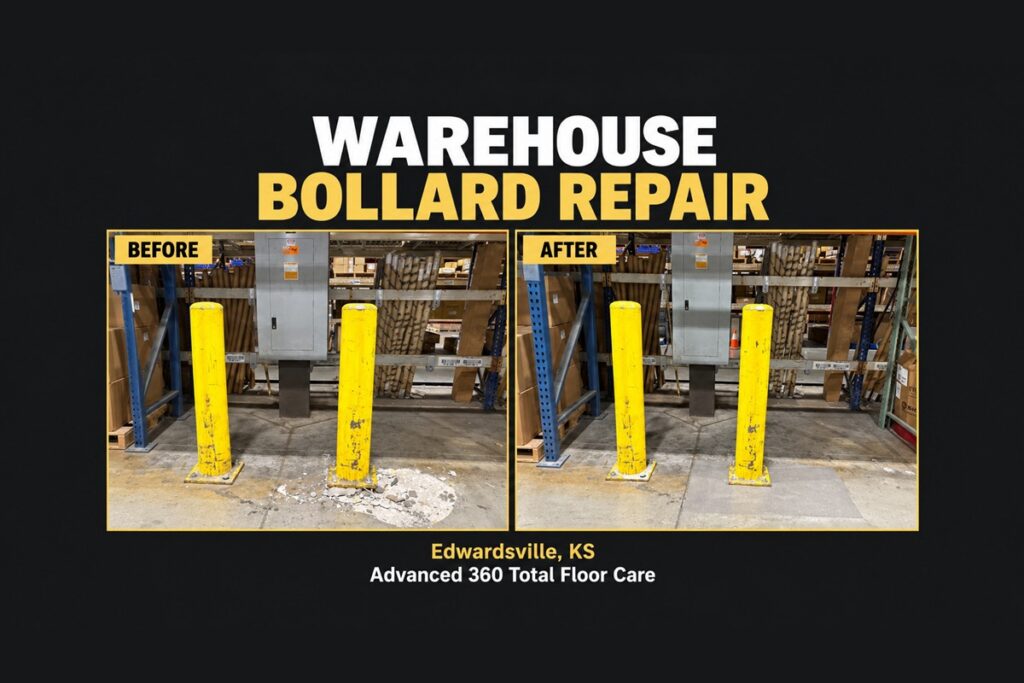


Polished concrete restoration for commercial and industrial facilities across Kansas City.
A polished concrete floor can become dull, stained, or scratched even when it still has many years of service left. In some Kansas City facilities, the concrete itself is worn. In others, the real problem is a layer of wax, floor finish, cleaner residue, guard, sealer, or another coating that no longer wears evenly.
The first step is not another coat of finish. A qualified contractor should identify the floor system, review the maintenance history, inspect stains and scratches, and complete a test area. That diagnosis determines whether the floor needs cleaning, buildup removal, stain treatment, repairs, diamond honing and polishing, a compatible protective treatment, or a combination of these services.
START HERE >>🔍 Identify the FLOOR SYSTEM 🔍
Several concrete floor systems can look shiny from a distance, but they do not restore the same way. Treating a topical coating as mechanically polished concrete can damage the finish. Polishing a surface without first removing wax or confirming the existing system can also load the diamonds, smear residue, or create an uneven appearance.
🔍 FLOOR SYSTEM | Mechanically Polished Concrete
- This floor gains most of its smoothness and reflectivity through a sequence of mechanical grinding, honing, and polishing. A concrete densifier may have been used to react with the cementitious surface and improve hardness and dust resistance. A compatible guard or stain protector may also be present, but a thick film-forming finish is not what creates the polished surface.
🔍 FLOOR SYSTEM | Grind-and-Seal Concrete
- A grind-and-seal floor is mechanically prepared, then protected and given its final appearance by a topical sealer. When that film scratches, wears, peels, or discolors, the restoration plan must address the sealer and its bond rather than treating the surface as bare polished concrete.
🔍 FLOOR SYSTEM | Coated Concrete
- Epoxy, urethane, acrylic, and other resinous coatings form a film over the concrete. The floor may be glossy, but it is a coating system. Peeling, delamination, chemical attack, and deep wear require a coating assessment, including surface preparation and moisture conditions, before recoating or replacement is recommended.
What the Floor Condition May Be Telling You
Visible symptoms help narrow the cause, but they do not replace an on-site inspection. A representative test area should show how the floor responds before full production begins.
| VISIBLE CONDITION | POSSIBLE SOURCE | POSSIBLE RESTORATON DIRECTION |
|---|---|---|
| Overall haze or dullness | Cleaner residue, dirty solution, fine soil, worn protection, or incompatible maintenance product | Test deep cleaning first, then evaluate honing or polishing |
| Glossy edges and dull traffic lanes | Finish buildup at the perimeter and wear in active paths | Identify and remove the topical layer before setting the restoration process |
| Yellow or brown film | Aged wax or floor finish, trapped soil, or discolored sealer | Test controlled chemical or mechanical removal and confirm what remains below |
| Black scuffs or tire marks | Rubber transfer, embedded soil, or heat and friction from traffic | Use compatible spot treatment and assess whether the protective layer is damaged |
| Light scratches and swirl marks | Damage in floor finish, guard, sealer, or the upper polished surface | Test removal, burnishing, honing, or repolishing based on the floor system |
| Deep scratches or gouges | Damage extending into the concrete or a failed repair | Assess patching and deeper refinement and set expectations for visible variation |
| Dark oil stains | Oil or grease that has penetrated the concrete | Test extraction or poultice treatment and explain likely remaining shadowing |
| Rust-colored stains | Metal contact, water exposure, or contamination within the slab | Identify the source before testing a compatible stain treatment |
| White dull or etched spots | Acid or chemical attack that changed the concrete surface | Evaluate honing or polishing because cleaning alone may not correct the damage |
| Peeling or flaking | Failure of a coating or sealer, poor bond, contamination, or moisture | Investigate the system and substrate before removing or replacing the film |
Why Adding More Wax Can Make the Floor Worse
A generic floor finish can make a dull floor look better for a short time, but it changes the maintenance system. Repeated coats can trap soil, yellow, scuff, and wear away in traffic lanes while remaining thick along walls and under furniture. The result is uneven gloss that no amount of routine mopping will correct.
More finish also makes future restoration harder. The contractor must remove the buildup without staining the concrete, harming a compatible guard, or driving residue into pores and joints. A test area should determine the product, removal method, dwell time, agitation, recovery, rinsing, and disposal plan. The restored floor should receive only products that match the identified system and the manufacturer’s maintenance requirements.
Maintenance Practices That Can Create Haze and Damage
A floor can lose clarity because of repeated small errors rather than one major event. Review the products, dilution, pads, machines, water changes, and service logs used by the janitorial team.
Common causes include:
⚠️ – Applying wax or floor finish without confirming that it is compatible with the concrete system
⚠️ – Recoating over soil, cleaner residue, scuffs, or worn finish instead of removing the cause
⚠️ – Using acidic products, strong alkaline degreasers, or excessive chemical concentration
⚠️ – Allowing dirty solution or recovery water to dry back onto the floor
⚠️ – Using an aggressive pad, brush, machine speed, or pressure that scratches the surface
⚠️ – Burnishing a finish or guard with an incompatible pad or without enough dry-soil removal
⚠️ – Failing to remove grit that abrades traffic lanes under carts, forklifts, and foot traffic
⚠️ – Leaving cleaning solution on the floor or reopening the area before it is ready for traffic
How Professional Polished Concrete Restoration Should Proceed
The final scope should follow the observed condition and the 🧪 test area. A commercial restoration normally includes these steps.
✅ Inspect and document the floor
Map dull areas, stains, scratches, joints, cracks, spalls, peeling, traffic patterns, edge buildup, and previous repairs.
✅ Identify the existing system
Determine whether the floor is mechanically polished, grind-and-seal, coated concrete, or a combination of systems in different areas.
✅ Review maintenance history
Collect product labels, safety data, service records, construction documents, and information about wax, finish, guard, sealer, or coating applications.
✅ Complete a representative test area
Test buildup removal, stain response, scratch visibility, gloss, color, traction, edge work, and cleanup before approving full production.
✅ Define the expected finish
Agree on the practical appearance, gloss range, exposed aggregate, remaining defects, protective treatment, and maintenance method.
✅ Protect building operations
Plan phasing, access, dust control, slurry or solution recovery, noise, equipment movement, daily cleanup, and return-to-service conditions.
✅ Remove incompatible buildup
Use the chemical, mechanical, or combined process proven by the test while protecting adjacent surfaces and the concrete below.
✅ Treat stains and repairs
Address oil, rust, chemical damage, cracks, spalls, and failed joint material according to the approved scope and explain visible limitations.
✅ Hone and polish only as needed
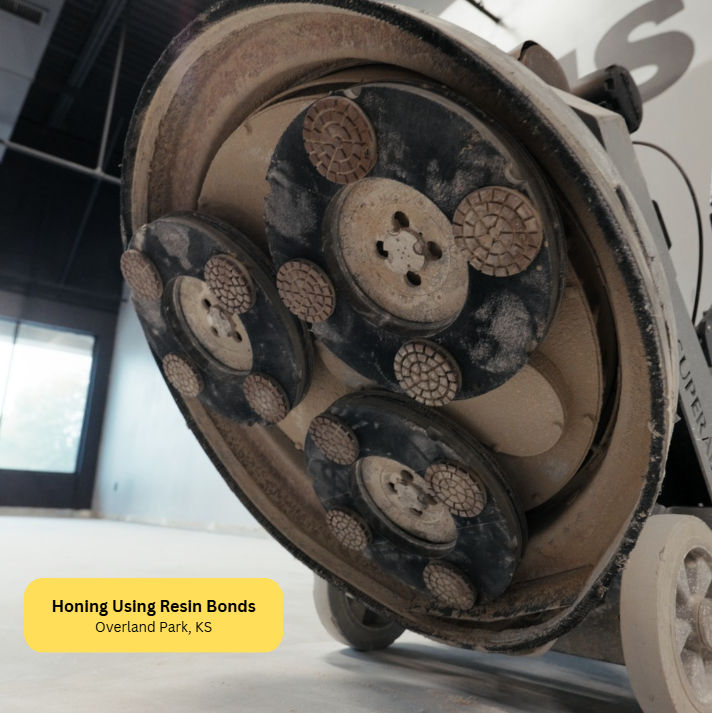
Use the diamond sequence required to correct the surface and reach the agreed appearance rather than cutting deeper than necessary.
✅ Use densifier for the right purpose
Apply densifier only when the concrete and polishing process require it. Densifier can improve surface hardness and dust resistance, but it does not remove stains and is not a film-forming topical sealer.
✅ Apply compatible protection when appropriate
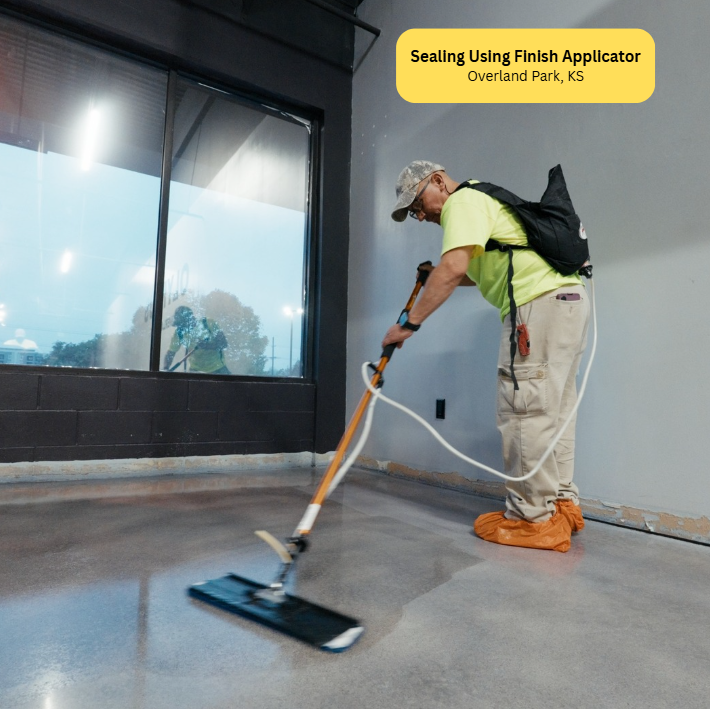
Use a guard, stain protector, or sealer only when it matches the floor system, expected exposure, appearance, and future maintenance plan.
✅Inspect and release the area
Review appearance, repairs, edges, cleanup, remaining limitations, maintenance instructions, photos, and reopening conditions with the facility contact.
What Restoration Can and Cannot Correct
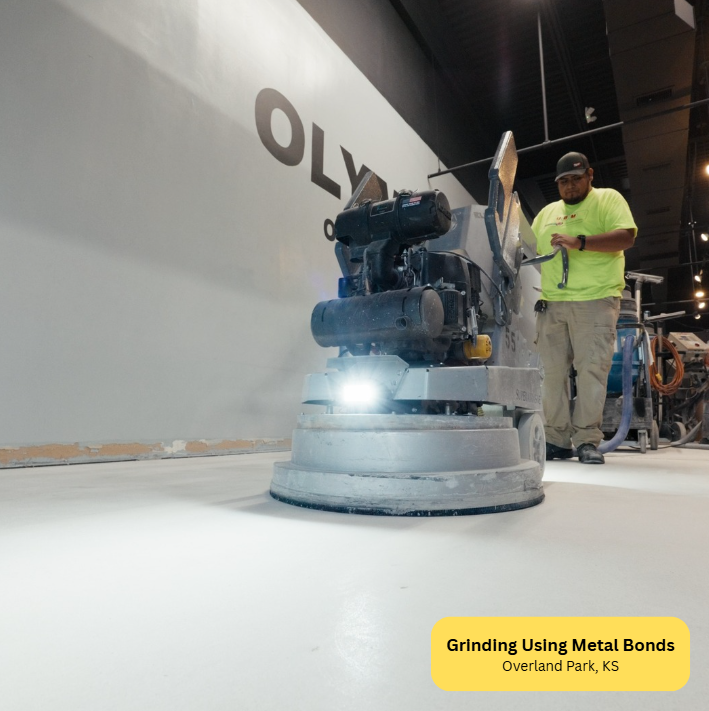
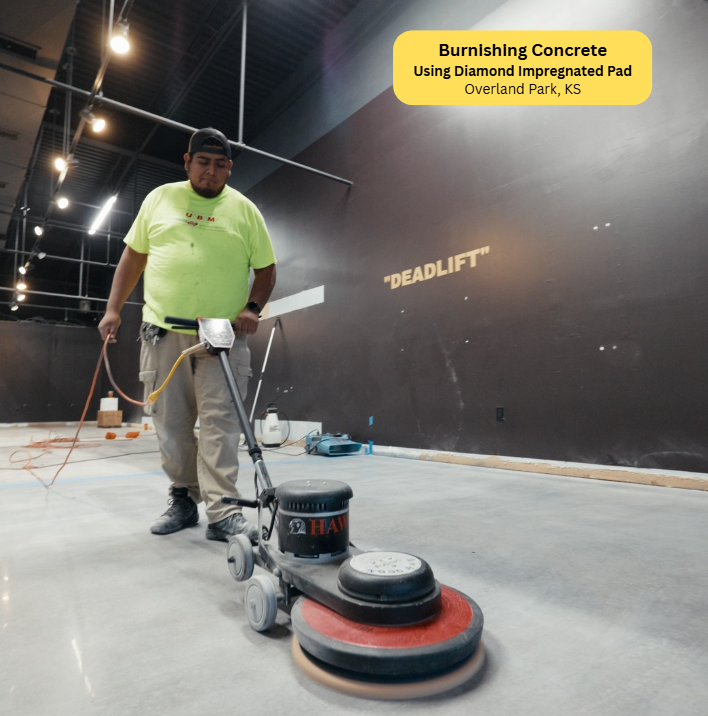
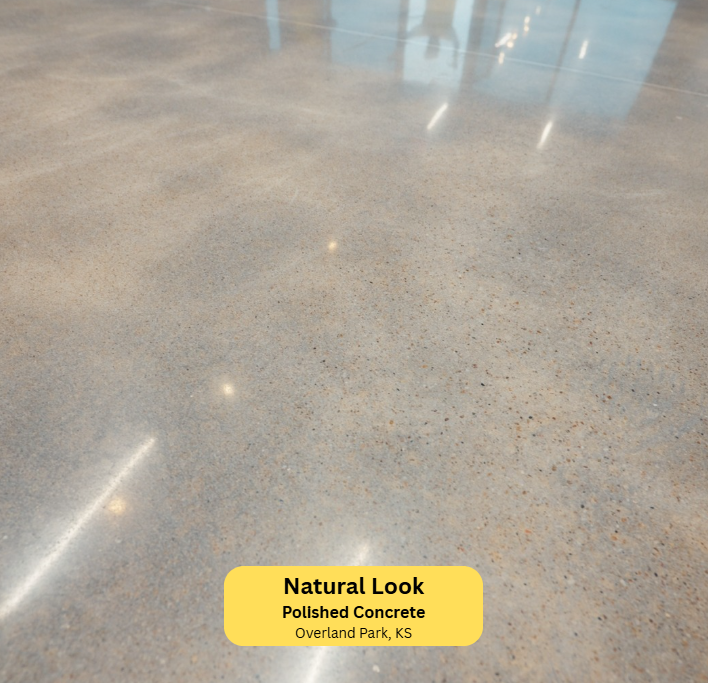
Cleaner residue, wax buildup, rubber transfer, embedded soil, uneven guard, light surface scratches, and early loss of clarity often improve substantially when the correct process is used. The test area should show whether cleaning and buildup removal are enough or whether the floor needs additional honing and polishing.
Some conditions may remain visible. Deep gouges can require repairs that differ in color and texture from the surrounding slab. Acid etching removes or changes the concrete surface. Oil can penetrate beyond the practical depth of treatment. Old patches, aggregate variation, exposed ghost lines, curing differences, and previous grinding may become more noticeable after a coating is removed. A responsible proposal separates cleanable conditions from permanent damage and states the expected outcome before work begins.
Questions to Ask a Polished Concrete Contractor
❓Floor identification
- How will you determine whether this is mechanically polished concrete, grind-and-seal, or a coating system?
❓Existing products
- How will you identify or test the wax, floor finish, guard, sealer, or coating now on the floor?
❓Test area
- Will the test demonstrate removal, stain response, scratch visibility, gloss, color, and the expected final appearance?
❓Stain assessment
- Which stains are on the surface, which have penetrated the concrete, and which may remain visible?
❓Scratch assessment
- Are the scratches in a topical product, the polished surface, or deeper in the slab?
❓Removal process
- Will buildup be removed chemically, mechanically, or with both methods, and how will residue be recovered?
❓Diamond sequence
- If honing or polishing is needed, what starting grit and refinement sequence will the test support?
❓Densifier and protection
- Does the floor need densifier, guard, stain protector, or sealer, and how are those products compatible with the system?
❓Repairs
- How will cracks, spalls, joints, damaged edges, and old patches be handled, and how visible will they remain?
❓Building operations
- How will you control dust, noise, slurry, cleaning solution, odors, access, equipment movement, and daily cleanup?
❓Return to service
- When can foot traffic, carts, forklifts, furniture, and routine cleaning safely resume?
❓Written scope
- Will the proposal define the test result, process, schedule, exclusions, expected appearance, warranty, and maintenance plan?
Warning Signs When Comparing Contractors
Be cautious when a contractor:
- ❌ Calls every shiny concrete floor “polished concrete” without testing the existing system
- ❌ Promises that every stain, scratch, patch, and color difference will disappear
- ❌ Starts with a harsh stripping chemical before identifying the topical product and substrate
- ❌ Recommends another coat of generic wax without diagnosing the existing buildup
- ❌ Presents densifier as a stain remover, cleaner, or topical sealer
- ❌ Plans mechanical work without explaining dust control, slurry recovery, and protection of operations
- ❌ Provides no representative sample of the expected appearance or target finish
- ❌ Leaves the removal method, repairs, exclusions, maintenance, or warranty out of the written proposal
What Affects the Cost of Polished Concrete Restoration
Cost depends on square footage, the type and thickness of existing wax or coating, the number of removal passes, stain type and depth, scratch depth, cracks, spalls, joints, edge work, equipment access, furniture, night or weekend scheduling, phasing, dust or slurry controls, target gloss, aggregate exposure, protective treatment, and return-to-service requirements. Removing a light maintenance film is a different project from stripping a thick coating and rebuilding the polished surface below it.
A test area makes estimates easier to compare because it establishes the likely number of passes, the achievable appearance, and the defects that will remain. Ask each contractor to price the same approved result and state the assumptions that could change the final scope.
How to Maintain the Floor After Restoration
A restored floor needs a written plan that matches the actual system, traffic, soil load, and building use. The janitorial team should know which cleaner, dilution, pad, brush, machine, and frequency are approved. Product substitutions should be reviewed before they reach the floor.
👍 Use effective entrance matting and remove dry grit before it abrades traffic lanes
👍 Clean with an approved neutral product at the correct dilution unless the system requires something else
👍 Change water and solution before soil is spread back across the floor
👍 Use the approved auto scrubber pad or brush and the lowest effective aggression
👍 Remove spills promptly and follow the written process for oil, chemicals, rubber marks, and food soils
👍 Do not apply wax, finish, acid, strong degreaser, or another coating without system approval
👍 Record products, dilution, service dates, stain events, repairs, and restorative maintenance
👍 Inspect high-traffic areas and schedule cleaning or restorative polishing before severe wear develops
Polished Concrete Work Should Not Become Your Second Job
Facility managers should not have to identify every chemical, supervise every grinding pass, or chase a contractor for reopening information. A well-managed project provides one accountable contact, an approved test area, a written scope, phased scheduling, dependable updates, daily cleanup, photo documentation, maintenance instructions, and a final walkthrough.
Advanced 360 Total Floor Care restores and maintains commercial concrete floors across the Kansas City metro. We inspect the existing system, test the proposed process, explain what can be improved, coordinate the work around your facility, and provide a written 12-month workmanship warranty for the work covered by the proposal. Our Pain-Free Service approach is designed so the floor project does not become another job for the facility manager to supervise.
Polished Concrete Restoration Help in Kansas City
If your concrete floor is dull, stained, scratched, waxed, or covered with an unknown finish, start with an assessment and test area. Send the facility location, photographs, approximate square footage, operating schedule, construction records, known products, maintenance history, and problem locations. Advanced 360 can explain whether the floor needs buildup removal, stain treatment, repairs, repolishing, or a different protective system.
➜ See how Commercial Polished Concrete Restoration can bring dull, stained floors back to life while minimizing disruption to your operation.
Frequently Asked Questions
01. Can wax be removed from polished concrete?
- Often, yes. The contractor should identify the product and test the removal method first. The goal is to remove the topical buildup without staining the concrete, damaging the underlying polish, or leaving chemical residue in pores and joints.
02. Can dull polished concrete be repolished?
- Many dull floors can be improved through deep cleaning, guard renewal, burnishing, honing, or repolishing. The right process depends on whether the dullness is caused by residue, surface wear, scratches, chemical attack, or a failing topical product.
03. Can every stain be removed from concrete?
- No. Surface contamination may clean well, while deeply penetrated oil, rust, dyes, chemical attack, and contamination within the slab may leave a shadow or permanent color change. A test area should establish the likely result.
04. Will polishing remove scratches?
- Light scratches may improve during honing or polishing. Deep scratches and gouges may require more aggressive refinement or repair, which can change aggregate exposure and appearance. The contractor should balance correction against unnecessary removal of concrete.
05. Does densifier remove stains or seal the floor?
- No. Concrete densifier reacts with the cementitious surface to improve hardness and dust resistance. It is not a cleaner or stain remover, and it is not the same as a film-forming sealer. A separate compatible protector may be appropriate for some floors.
06. Should polished concrete be waxed?
- Generic wax or resilient-floor finish should not be applied automatically. First confirm the floor system and use only the maintenance and protective products approved for that system. An incompatible finish can create buildup and uneven wear.
07. What is the difference between polished concrete and grind-and-seal?
- Mechanically polished concrete gains its refined surface through grinding, honing, and polishing. Grind-and-seal concrete is mechanically prepared but relies on a topical sealer for its final appearance and protection. Their repair and maintenance methods differ.
08. How long will the area be out of service?
- Downtime depends on buildup removal, repairs, polishing steps, protective products, area size, phasing, temperature, humidity, and traffic requirements. The proposal should give site-specific curing or drying conditions for foot, cart, forklift, and cleaning access.
09. How can we keep polished concrete from becoming dull again?
- Control entrance soil, remove grit frequently, use the approved cleaner and pad, change dirty solution, clean spills promptly, avoid unapproved wax and harsh chemicals, and schedule periodic inspection before heavy wear develops.

Dana writes about commercial cleaning, healthcare environmental services, and professional floor care for Kansas City facilities. Through Advanced 360 Total Floor Care and Sani-SAFE Healthcare in Lenexa, Kansas, Dana shares real-world guidance on facility maintenance, infection prevention, floor preservation, inspection readiness, and creating cleaner, safer environments.